Medically reviewed by Scott Vizzi, M.D. | Reviewed May 2026
Rotator cuff tears in athletes are something I see regularly in my practice. The baseball pitcher who came in after one bad throw. The competitive swimmer who noticed a slow, frustrating loss of power over several months. The recreational tennis player who stopped sleeping through the night because the shoulder pain had become too much to ignore. Each of these patients had a rotator cuff tear, but their injuries, their goals, and their paths forward all looked different. Understanding what’s really going on inside an athlete’s shoulder makes all the difference in getting treatment right.
Key Takeaways
- Rotator cuff tears in athletes can develop from a single event or build gradually through repetitive overhead stress over time.
- Throwing athletes in particular may develop partial tears on the undersurface of the tendon, a specific area under high stress during the throwing motion.
- Many athletes respond well to non-surgical treatment focused on rest, mechanics correction, and targeted strengthening before surgery is ever considered.
- When surgery is necessary, arthroscopic repair is often the approach, followed by a structured, phased return-to-sport progression.
Why the Rotator Cuff Takes Such a Beating in Athletes
The rotator cuff is a group of four muscles and their tendons that wrap around the shoulder joint, keeping the ball centered in the socket. In sports, this system faces a lot of stress.
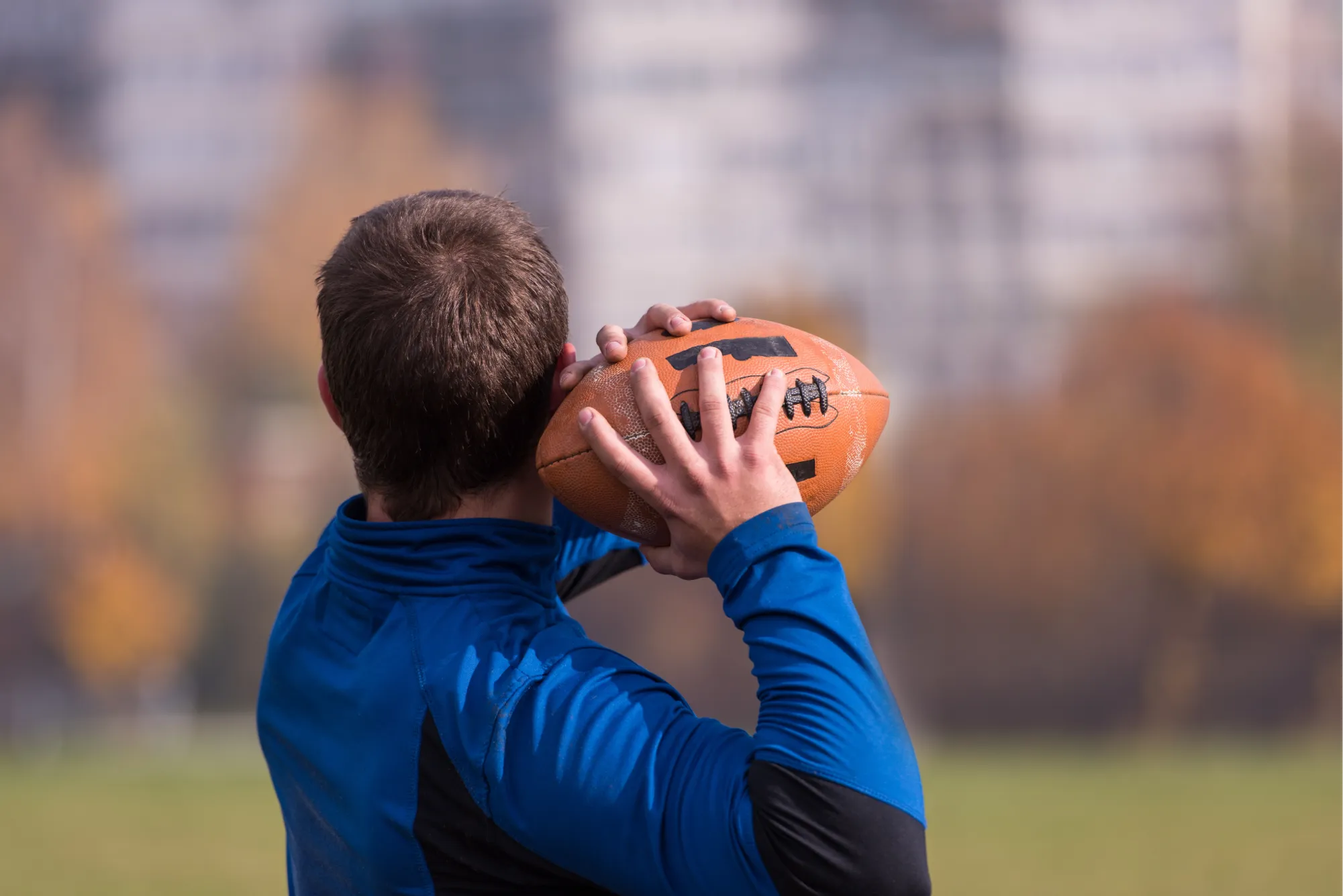
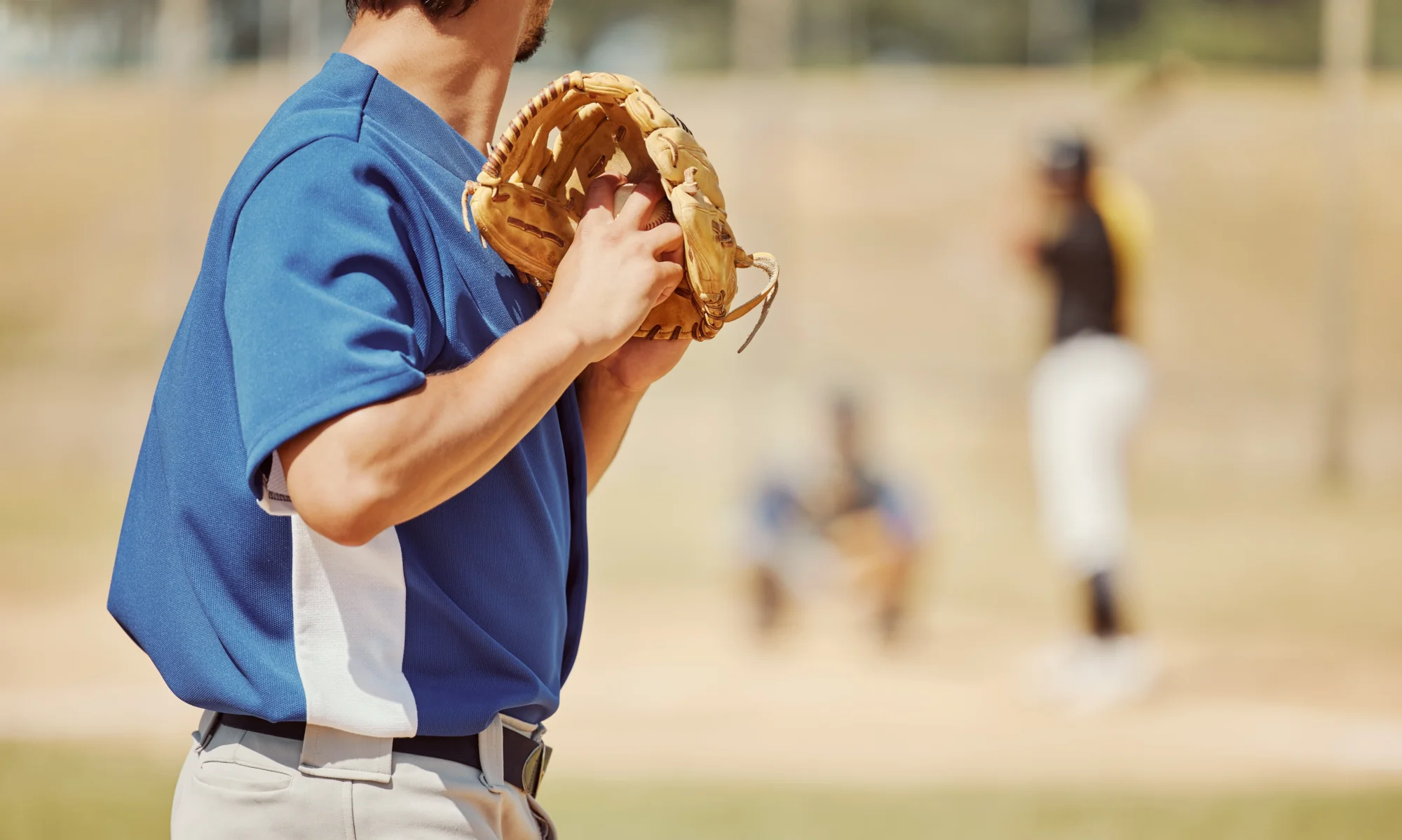
Overhead throwing generates enormous rotational forces through the shoulder. The arm moves through late cocking and acceleration at high speeds, and this is repeated hundreds or thousands of times over a season. Swimming, tennis, volleyball — these sports all place repetitive overhead load on the same structures, lap after lap, swing after swing, year after year. That cumulative stress adds up.
One thing I want athletes to understand: the shoulder actually adapts to sport, sometimes in ways that create vulnerability. Many overhead athletes develop increased external rotation and tighter posterior capsules as a result of years of training. Those adaptations can help performance in the short term, but they may also shift shoulder mechanics enough to put the rotator cuff at greater risk over time.
Partial vs. Full-Thickness Tears: Not All Tears Are Equal
This distinction matters a lot in athletes, and I think it’s worth explaining clearly.
Full-thickness tears involve a complete separation of the tendon from the bone. These tend to produce more consistent pain and weakness, and they’re often easier to identify because the symptoms are harder to work around.
Partial tears are more nuanced. In throwing athletes especially, I frequently see what’s called an articular-sided partial tear. This is damage on the undersurface of the tendon, precisely where the stress peaks during the late cocking and acceleration phases of throwing. These injuries can be deceptively subtle. An athlete might test with normal strength in the office but struggle through the final innings of a game, notice a drop in velocity, or feel like their arm just doesn’t respond the way it used to.
Symptoms Worth Taking Seriously
Rotator cuff tears in athletes don’t always announce themselves loudly. Sometimes they sneak up. The symptoms that tend to stand out in my experience include:
- Pain during or after throwing, particularly in the late cocking or follow-through phase
- A gradual loss of velocity, endurance, or control that the athlete can’t fully explain
- Weakness when lifting or rotating the arm
- Night pain, especially when lying on the affected shoulder
- Difficulty maintaining throwing mechanics or form late in a game or training session
If any of that sounds familiar, I’d encourage athletes not to simply push through without getting an evaluation. What begins as a partial tear can worsen if the underlying problem isn’t addressed.
How I Evaluate Rotator Cuff Injuries in Athletes
A thorough evaluation starts with a detailed conversation. I want to understand the sport, the position, when the symptoms started, and how they’ve changed over time. Timing matters: Did the pain develop after a specific throw, or has it been gradually building over a season?
From there, a physical exam gives me a lot of information. I use specific provocative tests to stress the rotator cuff, the biceps tendon, and the posterior capsule. I’m also assessing scapular mechanics and posture, because the shoulder doesn’t work in isolation. The entire kinetic chain plays a role, and deficits anywhere in that chain can contribute to the problem.
Imaging typically begins with X-rays to identify any bony changes or joint abnormalities. For soft tissue detail, an MRI is generally the most informative step. In athletes where I suspect articular-sided pathology or concurrent labral involvement, I may recommend an MRI arthrogram, which uses contrast to improve visualization of structures that can be difficult to see clearly on standard imaging.
Non-Surgical Treatment: Usually Where We Start
For most athletes with rotator cuff tears, particularly partial tears, surgery is not my first recommendation. Many patients I see with this diagnosis can make real, meaningful improvement without an operation, at least as the initial approach.
Non-operative care typically focuses on three things: rest from aggravating activity, correction of throwing or movement mechanics, and progressive strengthening of the rotator cuff and scapular stabilizers. Effective conservative management requires the athlete to actively engage in a structured program. Scapular dyskinesis, posterior capsule tightness, and kinetic chain deficits all need to be addressed, not just the tendon itself.
For select patients, I also discuss PRP therapy as a potential adjunct. PRP concentrates growth factors from the patient’s own blood and delivers them to the area of injury, with the goal of supporting the body’s natural healing response. It’s not a solution for every situation, but for certain partial tears in athletes who haven’t gotten far enough with conservative care alone, it may be worth a conversation.
When Surgery Becomes the Right Answer
Not every rotator cuff tear responds to conservative treatment. When a meaningful partial tear persists and the athlete can’t return to their sport despite appropriate rehabilitation, or when a full-thickness tear is producing significant pain and weakness that isn’t improving, surgery may be the most appropriate path.
The procedure I perform most often in this setting is arthroscopic rotator cuff repair. Using small incisions, I insert a camera and specialized instruments to visualize the tear and address it, typically using suture anchors to reattach the tendon to the bone. The arthroscopic approach allows me to see the full picture of what’s happening inside the joint while minimizing disruption to the surrounding tissue.
Recovery after repair involves a period of sling protection to allow the repaired tendon to heal before it’s stressed. Rehabilitation then progresses in stages: passive range of motion first, active motion next, then gradual strengthening as the tissue matures. Full recovery timelines vary depending on tear size, tissue quality, and how each individual responds to rehabilitation.
Getting Back to Sport
Return-to-sport decisions are among the most consequential conversations I have with my athletes. As a team physician who has worked with professional and collegiate programs, including my current role with the Toronto Blue Jays, I understand that both returning too soon and staying out too long carry real costs. The goal is always a safe, sustainable return to performance, not just getting back on the field.
The progression I follow for sports shoulder injuries moves through four structured phases. The first phase focuses on protecting healing tissue while maintaining overall conditioning through lower body and core training. The second works on restoring motion and strength. The third advances through sport-specific patterns: structured throwing programs, position-specific drills, or skill progressions depending on the athlete’s demands. Clearance in the final phase is based on functional testing and objective benchmarks, not a fixed date on a calendar.
What I’ve consistently found across different levels of competition: athletes who take the rehabilitation process seriously tend to get the best results.
Summary
Rotator cuff tears in athletes are common, and they require a thorough, individualized approach. The treatment plan for a 22-year-old collegiate pitcher and a 45-year-old competitive recreational tennis player may look very different, even with a similar finding on imaging. Getting the diagnosis right, aligning the treatment with the athlete’s sport and goals, and making smart decisions about when to protect and when to push — that’s what this kind of work demands. If you’re an athlete dealing with shoulder pain that hasn’t resolved, I’d encourage you to schedule an evaluation.
Frequently Asked Questions
How long does recovery from rotator cuff repair typically take for an athlete?
Recovery timelines vary depending on the size and location of the tear, the quality of the tissue, and how the individual athlete responds to rehabilitation. In general, athletes should anticipate several months of structured rehabilitation before returning to full sport activity. I discuss realistic expectations with every patient individually, since the timeline is shaped by factors specific to that person and their sport.
Is surgery always necessary for a rotator cuff tear in an athlete?
Not at all. Many athletes, especially those with partial tears, respond well to non-surgical treatment when it’s approached seriously and consistently. Surgery becomes a stronger consideration when conservative care hasn’t restored enough function, when the tear is structurally significant, or when the athlete’s goals require a level of performance that can’t realistically be reached without surgical intervention.
What makes rotator cuff tears in athletes different from those in the general population?
Athletes, particularly overhead throwers, tend to develop specific injury patterns that differ from typical age-related degeneration. Articular-sided partial tears are more common in throwing athletes. The diagnostic approach needs to account for sport-specific demands, and the treatment plan has to align with realistic return-to-sport goals. That requires experience working with athletic populations, including understanding the sport’s physical requirements, the timeline pressures involved, and what level of recovery is genuinely needed to perform at a meaningful level again.