
Frequently Asked Questions (FAQs)
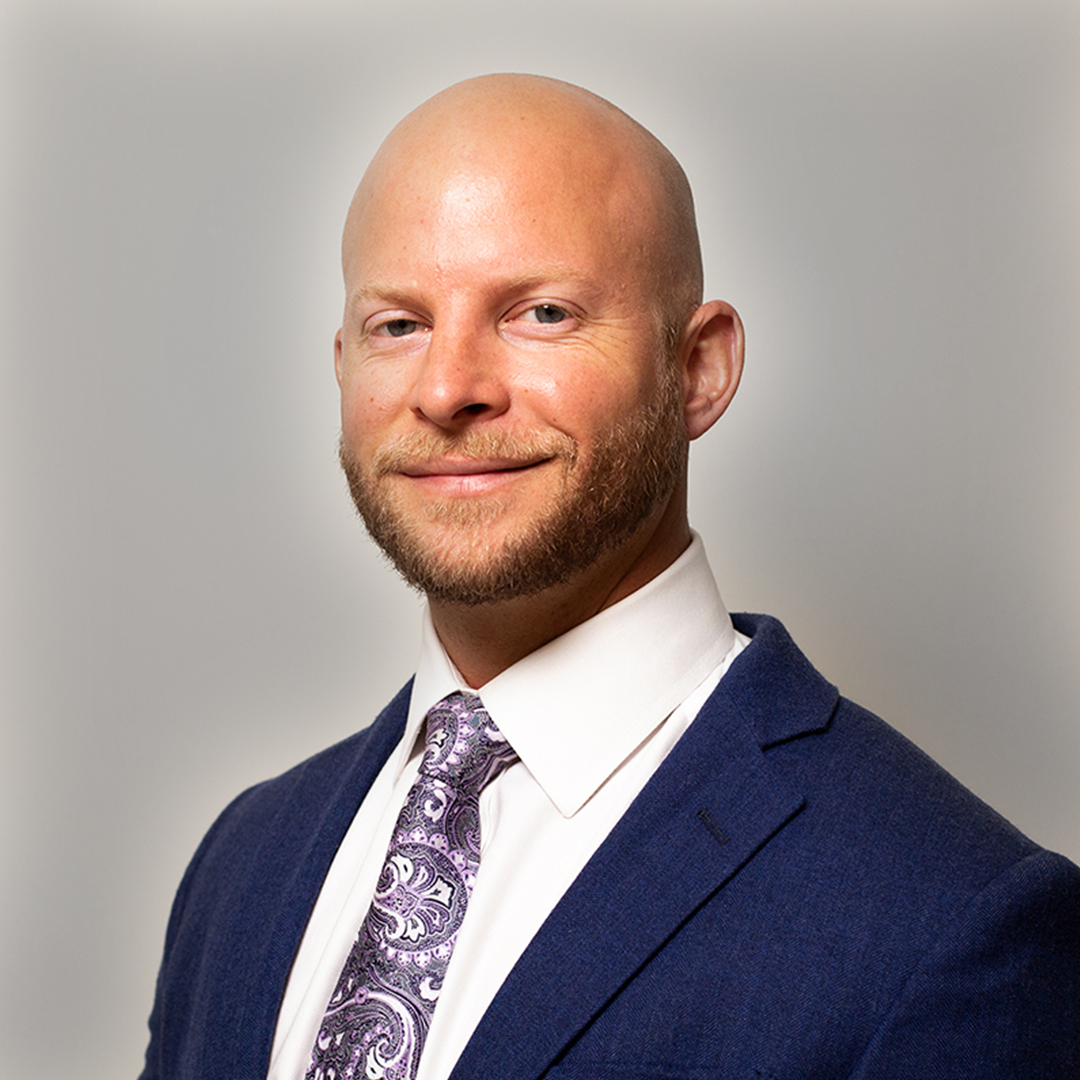
Scott Vizzi, M.D. | Shoulder Surgeon Serving St. Petersburg, Sarasota, Palm Harbor, and Largo, Florida
Common Shoulder Conditions
Persistent pain lasting several weeks, worsening symptoms, weakness, instability, or difficulty with daily tasks may warrant evaluation. While many shoulder conditions improve with conservative treatment, accurate diagnosis helps guide appropriate care.
Some partial tears and degenerative rotator cuff conditions may improve with physical therapy, activity modification, and anti-inflammatory strategies. Full-thickness tears generally do not “heal” on their own, but symptoms may be managed non-operatively in selected individuals depending on age, activity level, and functional demands.
Recurrence risk depends on age, activity level, and structural damage. Younger and highly active individuals may have a higher risk of repeat instability. Evaluation helps determine whether non-operative rehabilitation or surgical stabilization is more appropriate.
The shoulder is one of the most complex joints in the body, with multiple structures that can contribute to pain and dysfunction. A specialist who focuses extensively on shoulder conditions may have specialized training, including in arthroscopic techniques and joint reconstruction. Care from a shoulder specialist can support diagnosis and treatment recommendations that align with both the condition and the patient’s goals.
Shoulder Replacement
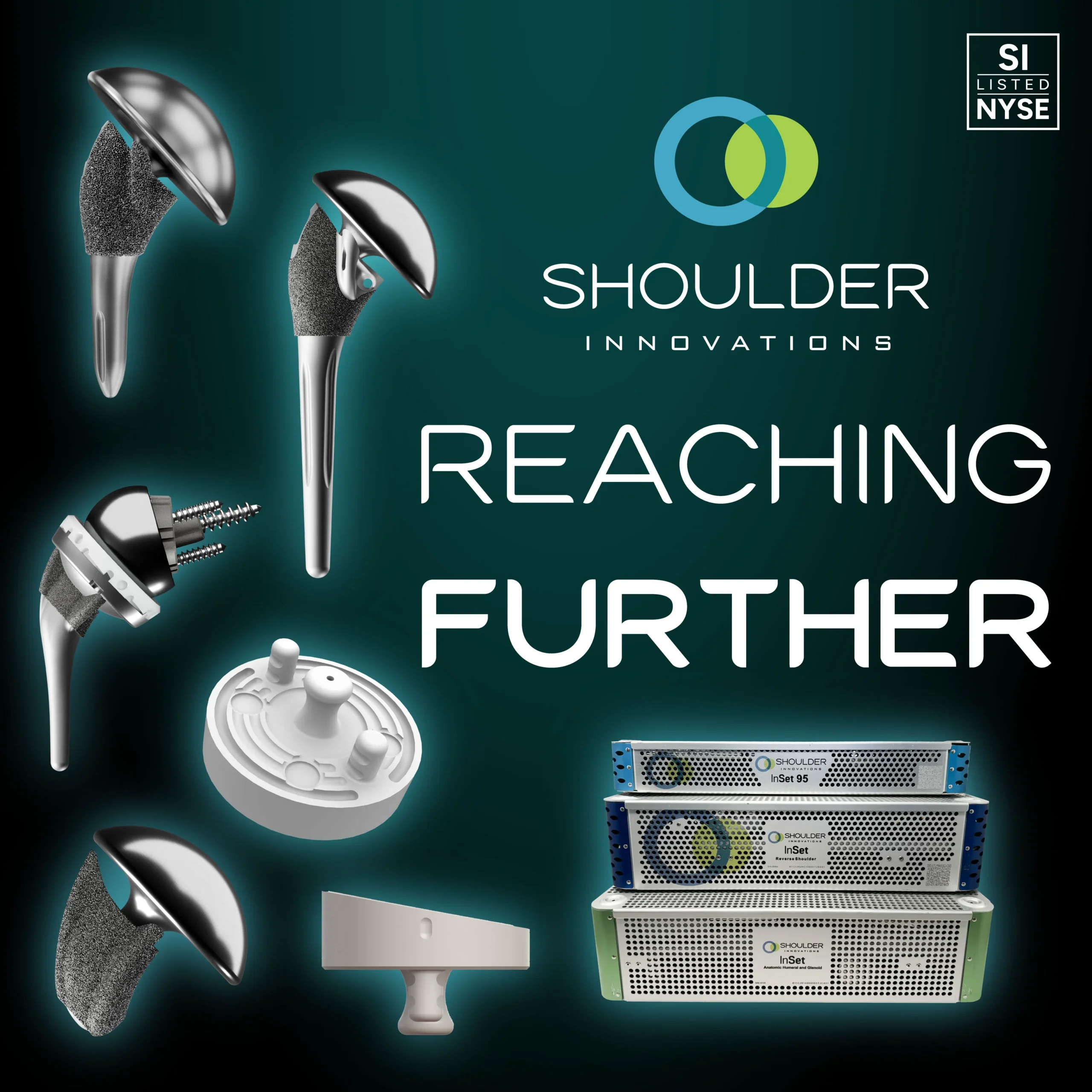
Shoulder replacement may be considered when advanced arthritis causes persistent pain, stiffness, and functional limitation despite appropriate non-operative treatment. Conservative measures such as physical therapy, anti-inflammatory medication, activity modification, and injections are typically explored first. If these options no longer provide acceptable quality of life, surgical evaluation may be recommended.
Anatomic (total) shoulder replacement restores the shoulder’s natural ball-and-socket alignment and generally requires a functioning rotator cuff. Reverse shoulder replacement changes the mechanics of the joint so the deltoid muscle can assist with arm function when the rotator cuff is severely damaged. The appropriate procedure depends on rotator cuff integrity, bone quality, and overall shoulder condition.
Modern shoulder implants are designed for durability. Longevity depends on factors such as implant type, bone quality, activity level, and overall health. Many patients experience long-term improvements in pain and function, though outcomes vary.
Most patients resume light daily activities within several months. Maximal improvement may take up to a year or longer. Higher-demand activities may require longer rehabilitation and individualized guidance based on healing and goals.
Sports Shoulder
Return-to-play timing varies based on the specific injury, treatment approach, and sport demands. Clearance is typically based on healing, strength, range of motion, and functional testing rather than a fixed timeline.
Many athletic shoulder injuries improve with rest, rehabilitation, and correction of mechanics. Surgery may be considered when structural damage causes persistent pain, instability, or performance limitation despite appropriate conservative care.
Throwing places the shoulder through extreme ranges of motion at high speeds. The repetitive stress can create adaptive changes, such as increased external rotation and muscle imbalances. While some of these changes may enhance performance, they may also increase the risk of rotator cuff injuries, labral tears, and internal impingement over time.
Return to sport is based on functional progress rather than a specific date. Athletes are typically cleared when strength, range of motion, stability, and sport-specific mechanics have been adequately restored. Decisions are individualized based on the type of injury, treatment performed, and the demands of the sport.