
Sports Shoulder
Scott Vizzi, M.D. | Shoulder Surgeon Serving St. Petersburg, Sarasota, Palm Harbor, and Largo, Florida
Shoulder Sports Injuries
The shoulder is designed for mobility. In athletes, that mobility is often pushed to its limits.
Overhead throwing and collision sports place the joint under high rotational velocity and load. In response, athletes frequently develop adaptations such as increased external rotation, capsular tightness, or altered muscle balance. While these changes may enhance performance, they can also increase vulnerability to injury.
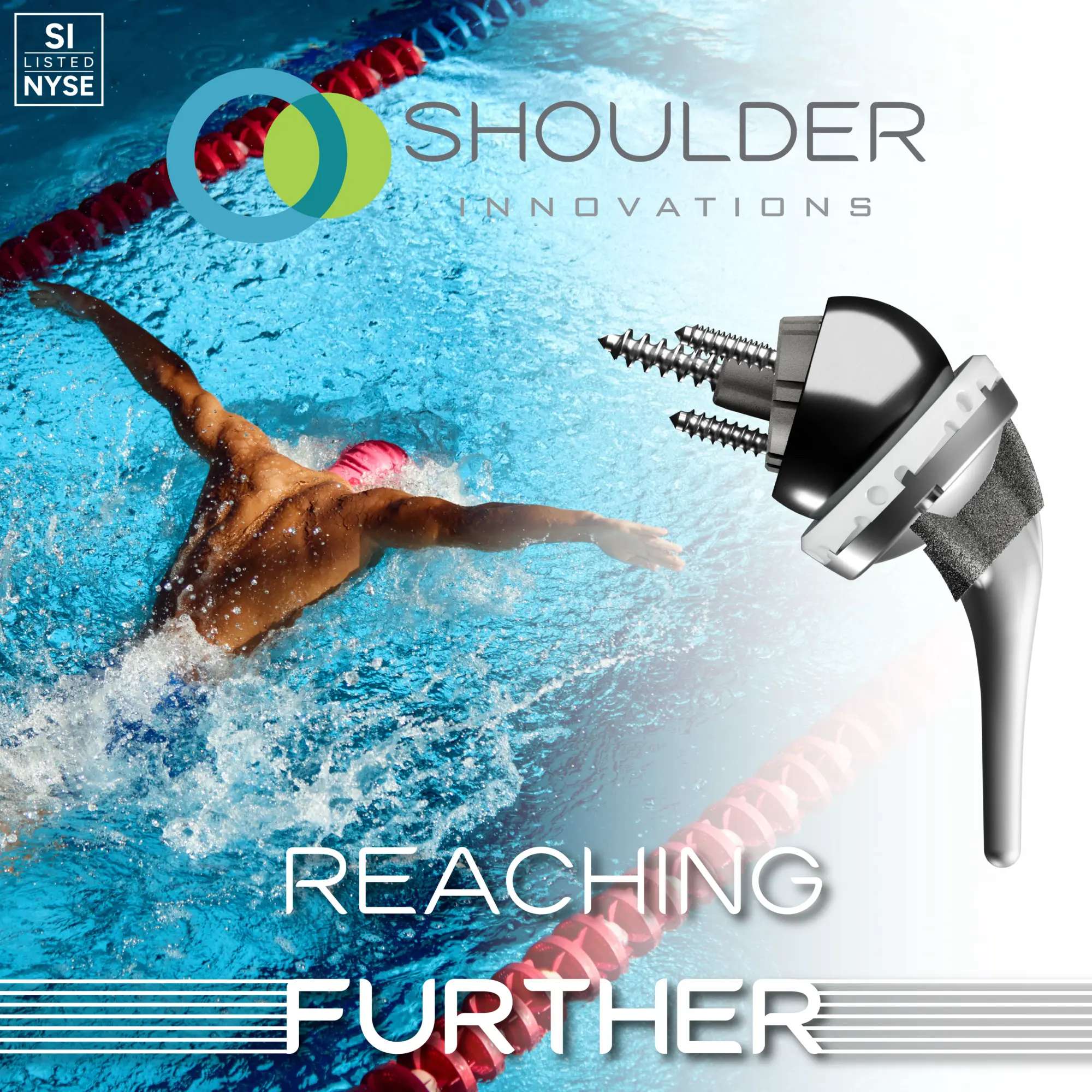
Effective treatment requires understanding the demands of the specific sport, along with the condition itself. A treatment plan for a competitive swimmer may differ from that of a football player or baseball pitcher.

Common Sports-Related Shoulder Injuries
Rotator Cuff Injuries
Repetitive overhead activity can place cumulative stress on the rotator cuff. Over time, this may contribute to tendinopathy, partial-thickness tears, or full-thickness tears. Throwing athletes, in particular, may develop partial tears on the undersurface of the tendon, an area subjected to high stress during the throwing motion.
Symptoms may include:
- Pain during or after activity
- Loss of velocity or endurance
- Weakness during late cocking or acceleration phases
- Difficulty maintaining mechanics
Initial treatment typically focuses on rest from aggravating activity, correction of throwing mechanics, and strengthening of the rotator cuff and scapular stabilizers. When significant structural damage persists despite appropriate non-operative care, arthroscopic repair may be considered. Return-to-sport timelines vary based on the severity of injury, sport demands, and individual recovery.
Labral Tears and SLAP Lesions
Labral tears may occur following acute trauma or from repetitive overhead stress. SLAP tears involve the upper portion of the labrum near the biceps attachment and are commonly seen in throwing athletes.
Symptoms may include:
- Deep shoulder pain during throwing
- Sensation of instability or “dead arm”
- Clicking or catching
- Decreased velocity or control
Labral pathology can be subtle. Diagnosis typically involves careful physical examination and imaging studies. In some cases, MRI with contrast (arthrogram) may improve visualization of labral injuries.
Non-operative management may include rest, therapy targeting shoulder mechanics and kinetic chain deficits, and gradual return to activity. Surgical treatment may be considered for persistent instability or pain affecting performance. Recovery timelines vary, and return to high-level overhead sport often requires structured rehabilitation and clearance based on functional progress.
Shoulder Instability
Direct trauma during contact sports can force the shoulder partially or completely out of position. This may result in injury to the labrum, ligaments, or bone. Instability may also develop over time in athletes with repetitive overhead stress or generalized ligamentous laxity.
Symptoms may include:
- Acute pain during dislocation
- Recurrent episodes of the shoulder “slipping”
- Apprehension in certain arm positions
- Decreased confidence in contact situations
First-time dislocations are often managed with a brief period of immobilization followed by rehabilitation. Recurrence risk tends to be higher in younger and highly active athletes.
Surgical stabilization may be considered in cases of recurrent instability or when structural damage increases the likelihood of repeated episodes. Return-to-play decisions are individualized and based on healing, sport demands, and functional testing.
AC Joint Injuries
AC joint injuries occur when ligaments connecting the collarbone to the shoulder blade are stretched or torn, often from a direct blow to the top of the shoulder. Severity ranges from mild sprains to more significant disruptions.
Symptoms may include:
- Pain at the top of the shoulder
- Swelling or visible prominence
- Pain with cross-body movement
- Difficulty with overhead activity
Many low-grade AC injuries are treated non-operatively with rest, ice, and physical therapy. Surgical reconstruction may be considered in selected high-grade injuries or in athletes with persistent pain or instability affecting performance. Recovery timelines vary depending on injury severity and treatment approach.
Shoulder Impingement
Shoulder impingement refers to irritation of the rotator cuff tendons and surrounding tissues as they move beneath the acromion during arm elevation. Inflammation, tendon degeneration, or altered shoulder mechanics may reduce the available space and contribute to pain. Overhead sports such as baseball, tennis, swimming, and volleyball place repetitive stress on the rotator cuff, which may increase the likelihood of irritation over time.
Symptoms may include:
- Pain with overhead activity
- Discomfort when reaching or lifting
- Night pain, especially when lying on the affected side
- Gradual weakness
Most cases are treated non-operatively. Physical therapy focuses on restoring shoulder mechanics, strengthening the rotator cuff and scapular stabilizers, and correcting movement patterns. Activity modification and anti-inflammatory strategies may also help reduce symptoms.
Surgical intervention may be considered in selected cases when pain persists despite comprehensive rehabilitation and imaging suggests structural contributors.
Return to Sport
Returning to competition after shoulder injury requires a structured and progressive approach. Specific timelines and steps may vary between athletes depending on individual health factors, the condition of the shoulder, and return-to-sport goals.
Phase 1 – Protection and Healing
Protect healing tissues while maintaining overall conditioning through lower body and core training. The goal is not only return to play, but safe and sustainable performance.
Phase 2 – Restore Motion and Strength
Gradually regain range of motion and strength while addressing sport-specific movement patterns.
Phase 3 – Sport-Specific Progression
Advance through structured throwing programs, contact progression, or skill-specific drills as appropriate.
Phase 4 – Clearance
Return to activity is based on functional testing, sport demands, and clinical evaluation.
Shoulder Pain Affecting Your Performance?
Athletic injuries can impact performance, scholarship opportunities, and long-term goals. Careful decision-making is essential. Dr. Vizzi’s experience working with professional and collegiate athletes including The Blue Jays informs his approach to treatment planning, rehabilitation coordination, and return-to-play decision-making.