
Reverse Shoulder Replacement
Scott Vizzi, M.D. | Shoulder Surgeon Serving St. Petersburg, Sarasota, Palm Harbor, and Largo, Florida
Reverse Shoulder Replacement
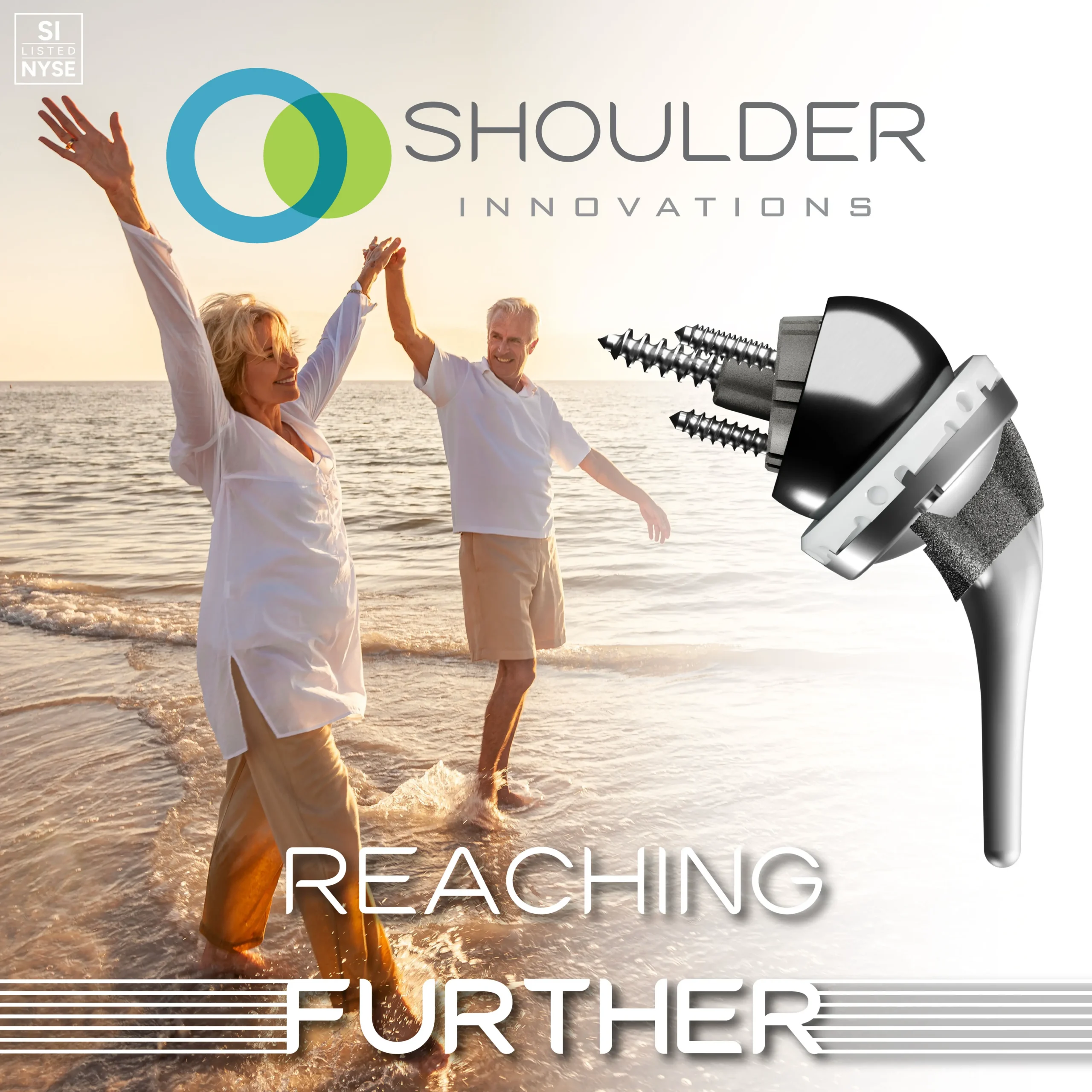
Reverse shoulder replacement is designed for patients with severe rotator cuff damage, often in combination with shoulder arthritis. By reversing the position of the ball and socket, this procedure allows the deltoid muscle to assist with arm function when the rotator cuff is no longer functioning adequately.

Why Is It Called “Reverse”?
A reverse shoulder replacement alters the mechanics of the shoulder, allowing the deltoid to help compensate for a damaged rotator cuff.
In a normal shoulder:
- The ball is located on the arm bone (humerus)
- The socket is part of the shoulder blade (scapula)
- The rotator cuff helps stabilize the joint and initiate movement
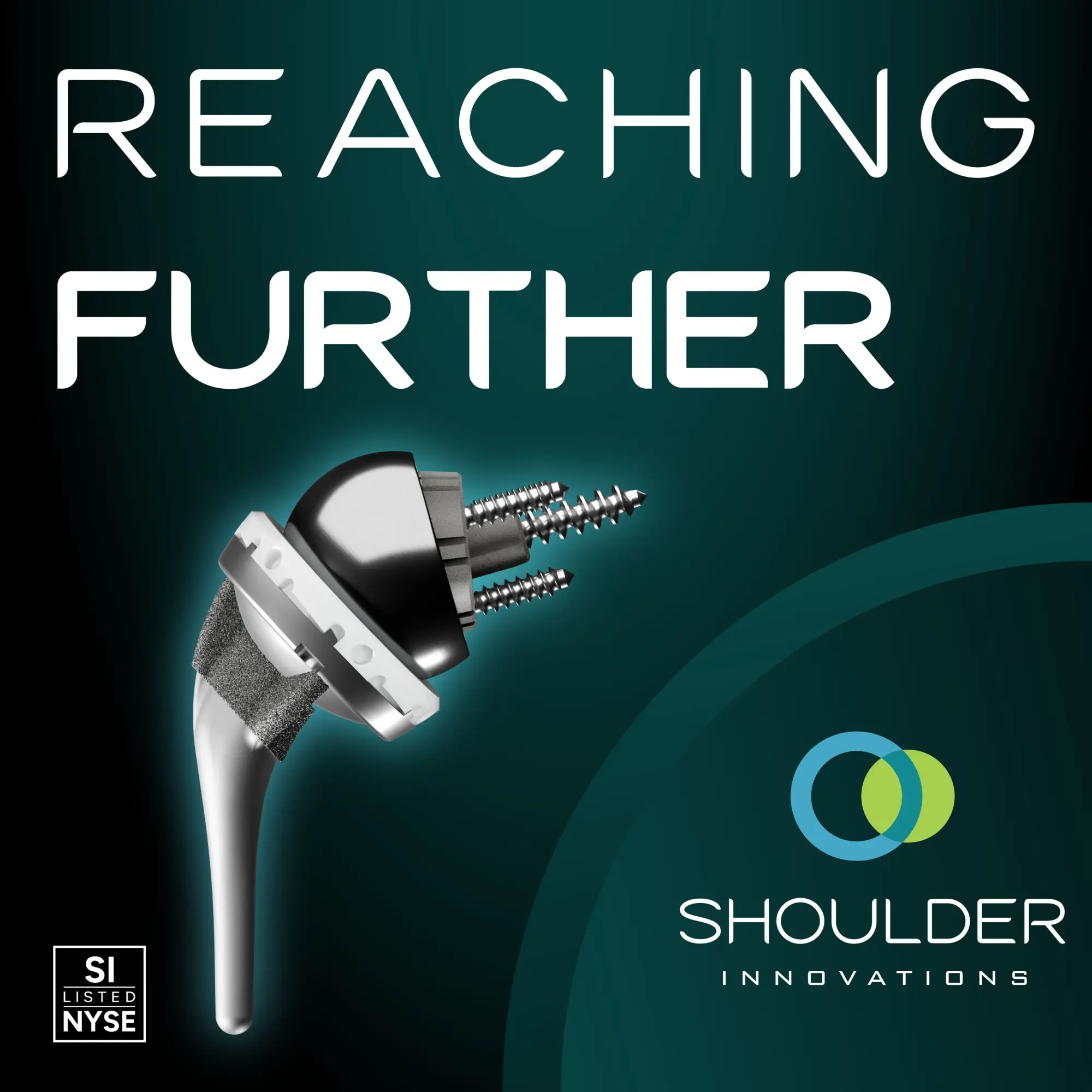
In a reverse shoulder replacement:
- A metal ball (glenosphere) is secured to the shoulder blade
- A socket component is attached to the upper arm bone
- The deltoid muscle plays a larger role in powering the arm
When the rotator cuff tendons are extensively torn and not repairable, especially in the presence of arthritis, the joint can become unstable and painful. In some cases, the humeral head migrates upward due to loss of cuff support. Traditional shoulder replacement relies on a functioning rotator cuff. Reverse shoulder replacement changes the mechanics of the joint so that elevation does not depend primarily on the rotator cuff.
When May Reverse Shoulder Replacement Be Considered?
Rotator Cuff Tear Arthropathy
A longstanding, massive rotator cuff tear combined with arthritis can lead to pain, weakness, and loss of shoulder function.
Irreparable Rotator Cuff Tears
Some tears are too large or too degenerated to repair successfully. When pain and dysfunction significantly affect daily life, reverse replacement may be an option.
Failed Previous Shoulder Surgery
If a prior anatomic shoulder replacement fails due to rotator cuff insufficiency, implant loosening, or other complications, conversion to reverse shoulder replacement may be considered in appropriate cases.
Complex Proximal Humerus Fractures
In certain older patients with severe fractures and poor bone quality, reverse replacement may be recommended.
The Surgical Procedure
During surgery, the damaged joint surfaces are removed and replaced with specialized components designed for reverse shoulder replacement. A metal ball is attached to the shoulder blade, and a socket component is placed on the upper arm bone. Together, these parts create a new joint configuration that allows the shoulder to function differently than a normal anatomy. Modern implant designs such as the InSet™ Reverse Shoulder System aim to help preserve bone and optimize implant positioning.
The procedure typically takes approximately one to three hours, depending on complexity. Many patients are able to return home the same day, while others may stay overnight for observation based on their overall health and recovery needs.
Recovery Process
Recovery time varies based on individual factors, including bone quality, soft tissue condition, and overall health.
Initial Healing (Weeks 1–6)
The arm is typically supported in a sling for several weeks to protect healing tissues. Physical therapy often begins early with gentle passive range-of-motion exercises under supervision. Pain levels gradually improve during this period, though recovery experiences differ between individuals.
Early Functional Recovery (Weeks 6–12)
As healing progresses, patients gradually begin active motion exercises. Therapy focuses on retraining the deltoid muscle and improving functional movement patterns. Improvements in motion and strength often occur gradually during this phase.
Continued Improvement (3–12 Months)
Strength, coordination, and endurance typically continue to improve over several months. Many patients resume most daily activities within this timeframe, though maximal improvement can take up to a year or longer in some cases.
Is Reverse Shoulder Replacement Right for You?
If shoulder pain is limiting your daily activities, comprehensive evaluation can help determine whether reverse shoulder replacement may be appropriate. Dr. Vizzi evaluates each case individually, reviewing imaging studies, performing a detailed examination, and discussing
Schedule a Consultation Today!