
Total Shoulder Replacement
Scott Vizzi, M.D. | Shoulder Surgeon Serving St. Petersburg, Sarasota, Palm Harbor, and Largo, Florida
Total Shoulder Replacement
When shoulder arthritis progresses to the point that daily activities become painful and limited, anatomic shoulder replacement may offer meaningful relief. This procedure involves removing damaged cartilage and bone and replacing them with artificial components designed to improve comfort and restore motion.
For patients with an intact rotator cuff, anatomic replacement may help preserve the shoulder’s natural mechanics while reducing the bone-on-bone contact that often causes pain.
Understanding Shoulder Arthritis
The shoulder functions as a ball-and-socket joint. The upper arm bone (humerus) has a rounded top that fits into a shallow socket (glenoid) on the shoulder blade. In a healthy joint, smooth cartilage covers both surfaces, allowing low-friction movement.
Arthritis gradually wears away this cartilage. As cartilage thins or disappears, the underlying bone surfaces may rub against one another, which can lead to pain, stiffness, and sometimes a grinding or catching sensation.
This process typically develops over time. Early stages may cause intermittent discomfort. More advanced arthritis can result in persistent pain, sleep disturbance, limited overhead motion, and difficulty with everyday tasks such as washing hair or putting on clothing.
Who May Benefit From Anatomic Shoulder Replacement?
Candidates for shoulder replacement often have persistent symptoms despite trying conservative treatment options such as:
- Physical therapy and guided exercise
- Anti-inflammatory medications
- Corticosteroid injections
- Activity modifications
If these measures no longer provide adequate relief or acceptable quality of life, surgery may be considered.
Common Diagnoses Leading to Replacement
Osteoarthritis: Age-related cartilage degeneration is one of the most common reasons patients consider shoulder replacement.
Rheumatoid Arthritis: Inflammatory conditions such as rheumatoid arthritis can affect the joint lining and may progressively damage cartilage.
Post-traumatic Arthritis: Previous fractures or dislocations can alter joint mechanics and contribute to accelerated cartilage wear over time.
Avascular Necrosis: Disruption of blood supply to the humeral head can lead to bone collapse and secondary arthritis.
Important Consideration
Anatomic shoulder replacement generally requires a functioning rotator cuff. If the rotator cuff is severely damaged and not repairable, reverse shoulder replacement may be recommended.
The Surgical Procedure
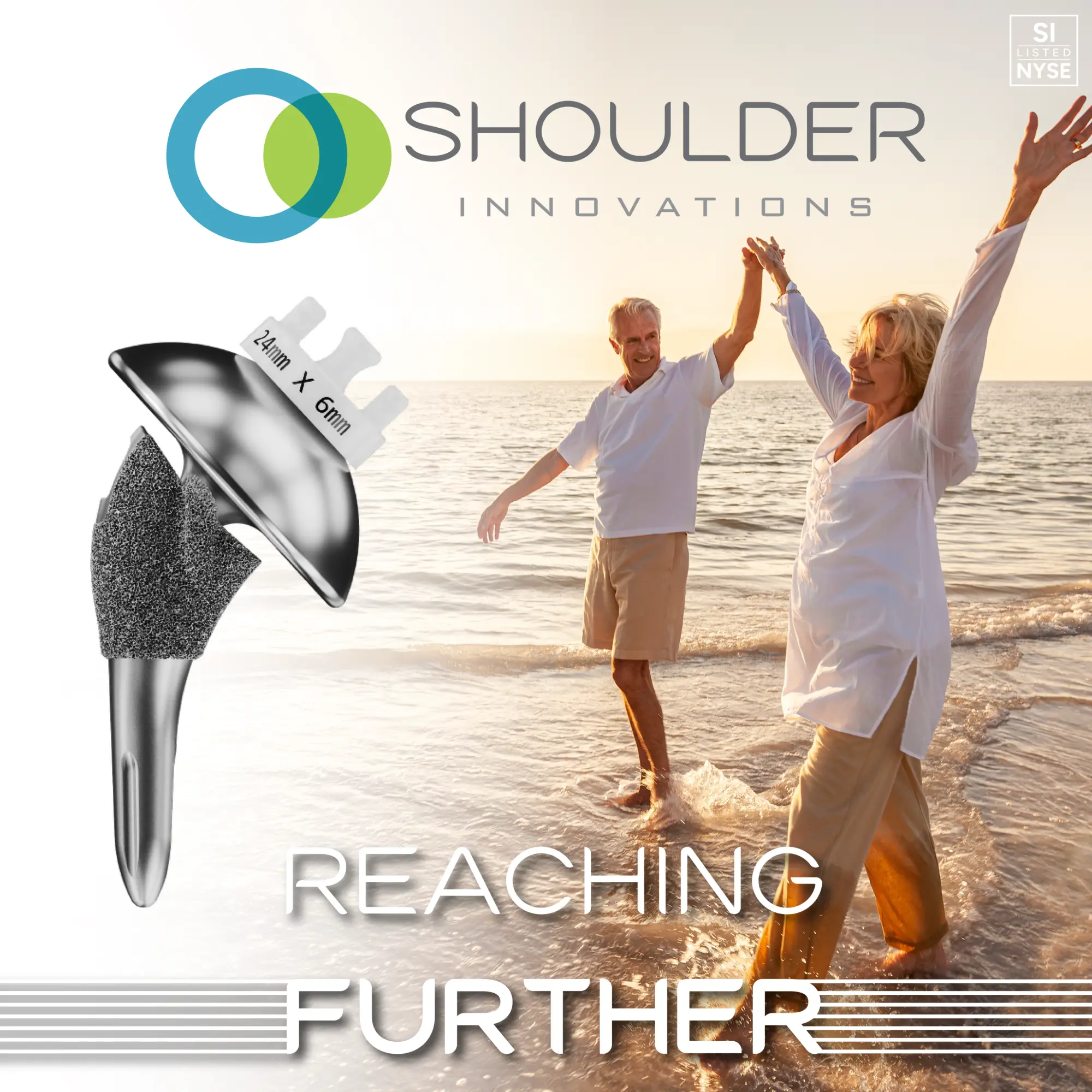
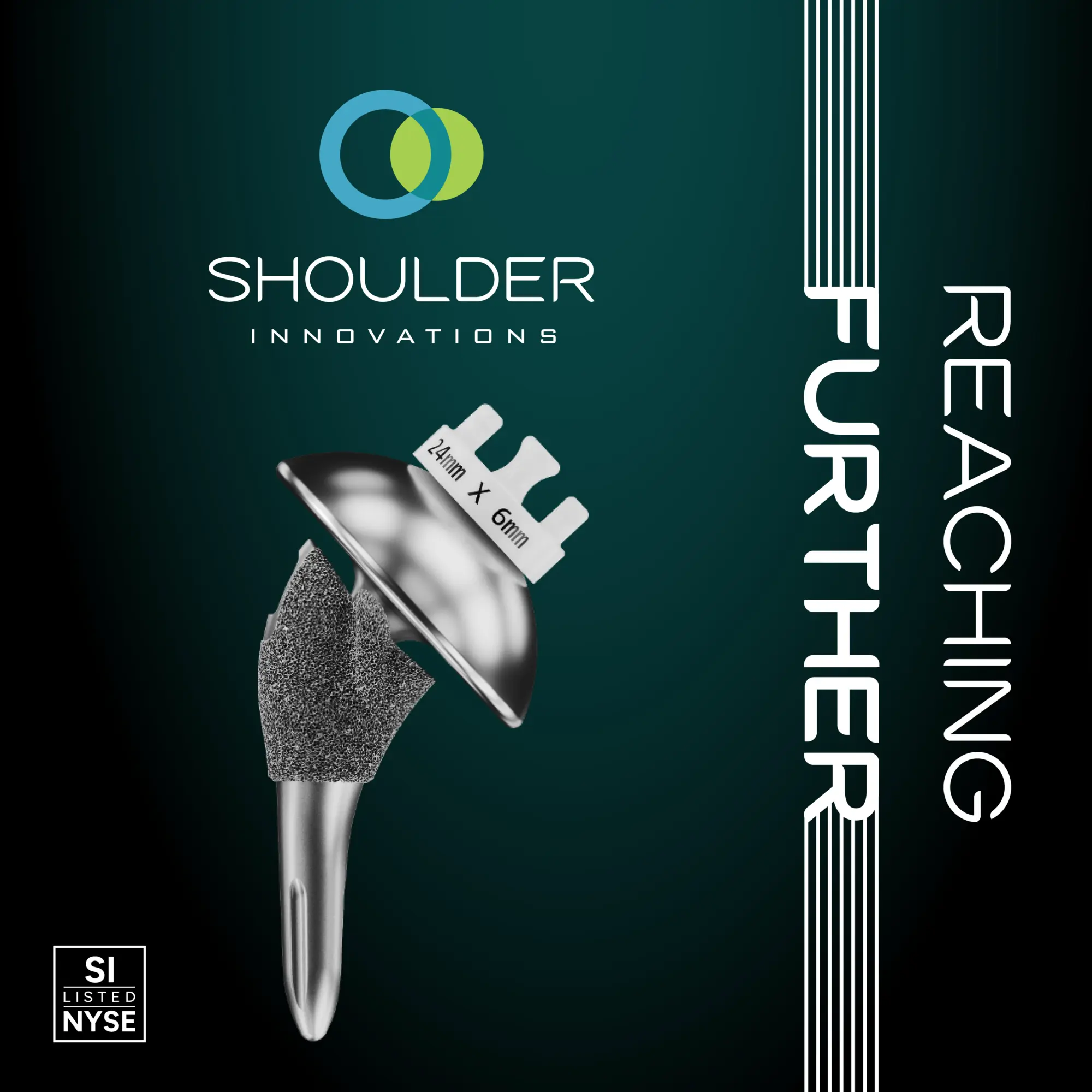
During surgery, the worn cartilage and damaged bone surfaces are carefully prepared and replaced with prosthetic components designed to restore the joint’s shape and function. The humeral and glenoid components work together to recreate a smooth articulation and reduce the friction that contributes to pain and stiffness. Modern implant systems, such as the InSet® Total Shoulder System, are designed to help preserve bone while supporting stable fixation.
The procedure typically lasts about one to two hours, depending on the complexity of the case. Many patients are able to return home the same day, while others may stay overnight for observation based on their overall health and recovery needs.
Preparing for Surgery
Medical Preparation
Preoperative testing may include bloodwork, an EKG, and other evaluations to ensure it is safe to proceed with anesthesia and surgery. Certain medications, especially blood thinners, may need to be adjusted temporarily. Your surgical team will provide individualized instructions.
Preparing Your Home
You will likely wear a sling for several weeks and have limited use of the surgical arm during early recovery. Planning ahead can help make the transition smoother:
- Keep essential items within easy reach
- Consider sleeping slightly elevated for comfort
- A shower chair and handheld showerhead may be helpful
- Prepare meals in advance when possible
- Choose button-front or zip-front clothing
- Arrange transportation for follow-up visits and therapy
Recovery Timeline
Recovery varies based on individual factors, including bone quality, rotator cuff condition, and overall health. While every patient progresses at a different pace, recovery after anatomic total shoulder replacement generally follows three phases.
Phase 1: Protection and Early Motion (Weeks 1–6)
The arm is typically supported in a sling for several weeks to protect healing tissues, particularly the rotator cuff and surrounding soft tissues. Physical therapy often begins early with gentle passive range-of-motion exercises to help maintain flexibility while avoiding stress on the repair. During this phase, lifting, pushing, pulling, and active shoulder use are usually restricted.
Phase 2: Active Motion and Gradual Strengthening (Weeks 6–12)
As healing progresses, patients gradually transition to active motion exercises, meaning the shoulder begins moving under its own muscle power. Light strengthening may be introduced under guidance, with careful progression to protect the rotator cuff. Improvements in comfort and mobility often become more noticeable during this stage, though recovery remains gradual.
Phase 3: Functional Recovery and Endurance (3–12 Months)
Strength, coordination, and endurance continue to improve over several months. Many patients resume most daily activities within this timeframe. Higher-demand activities may take longer, and maximal improvement can take up to a year or longer in some individuals.
Activity Expectations After Replacement
Modern shoulder implants are designed for durability, but certain modifications are usually recommended to help preserve the implant over time. Many patients resume activities such as swimming, golf, hiking, and cycling. Activities that may be discouraged include heavy lifting and contact sports.
Specific recommendations vary based on implant type, bone quality, and individual goals. Your surgeon will provide personalized guidance.
Questions About Shoulder Replacement?
The decision to undergo total shoulder replacement surgery should be made in collaboration with an experienced shoulder specialist. Dr. Vizzi encourages patients to ask questions, discuss concerns, and fully understand both the potential benefits and limitations of surgery.
If arthritis continues to affect your quality of life despite non-surgical treatment, a consultation can help determine whether shoulder replacement may be appropriate and what realistic expectations might look like for your situation.
Schedule a Consultation Today!