
Shoulder arthritis can interfere with your daily life, making simple tasks like reaching for a coffee mug or getting dressed feel overwhelming. If you’re dealing with persistent shoulder pain, stiffness, and reduced mobility, you’re likely searching for answers about how to relieve arthritis pain in your shoulder. The good news is that multiple treatment options exist, ranging from conservative approaches to advanced surgical interventions. In this post, we’ll explore the various strategies that may help you manage your symptoms
Key Takeaways
- Shoulder arthritis pain can often be managed through a combination of conservative treatments including physical therapy, medications, and lifestyle modifications.
- When conservative measures don’t provide adequate relief, surgical interventions like total shoulder replacement or reverse shoulder replacement may be recommended.
- Working closely with your shoulder specialist helps ensure you receive a personalized treatment plan tailored to your specific condition and lifestyle needs.
Understanding Shoulder Arthritis
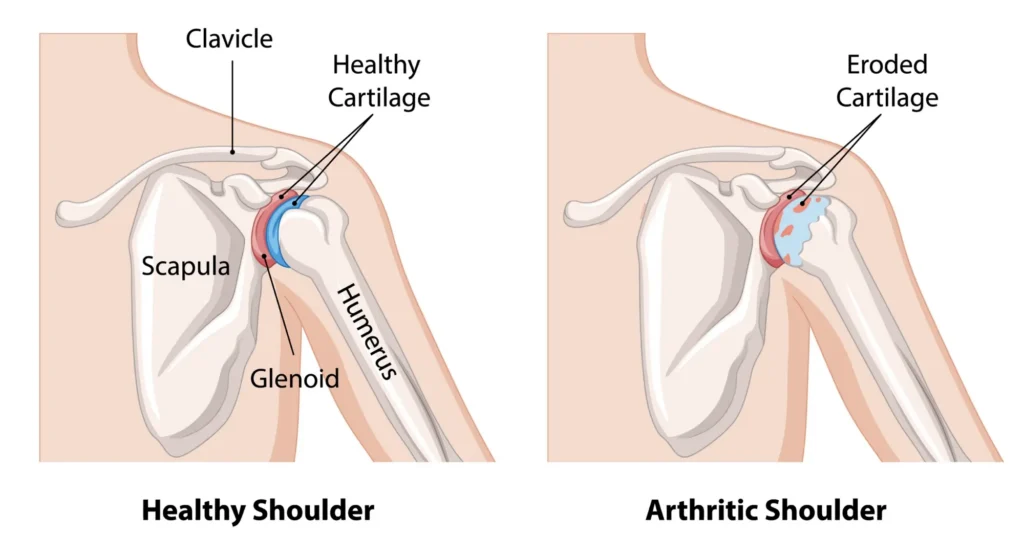
Before exploring treatment options, it helps to understand what’s happening in your shoulder joint. Arthritis occurs when the cartilage that normally cushions the bones in your joint becomes damaged. This protective cartilage acts like a shock absorber, allowing smooth, pain-free movement. When it deteriorates, pain, inflammation, and stiffness may result.
The most common types of shoulder arthritis include osteoarthritis (wear-and-tear arthritis), rheumatoid arthritis (an autoimmune condition), and post-traumatic arthritis (developing after an injury). Each type may require slightly different treatment approaches, though many strategies overlap.
Conservative Treatment Options
Oftentimes, you’ll be advised to start with non-surgical treatments. These approaches may be effective, particularly in the earlier stages of arthritis.
Rest and Activity Modification
You don’t need to stop using your shoulder entirely, but modifying activities that aggravate your symptoms may help. Consider breaking tasks into smaller segments with rest periods in between. Pay attention to your body’s signals and avoid pushing through severe pain.
Physical Therapy
Physical therapy is a common conservative treatment. A physical therapist can develop a customized exercise program designed to strengthen the muscles supporting your shoulder joint. These exercises may help stabilize the joint, reduce stress on damaged cartilage, and improve your range of motion.
Stretching exercises can help maintain flexibility, while strengthening exercises build the surrounding musculature. Your therapist might also use manual therapy techniques to improve joint mobility and reduce pain. The key is consistency, as regular practice of your prescribed exercises often yields the best results.
Medications
Over-the-counter pain relievers like acetaminophen can help reduce pain levels. Non-steroidal anti-inflammatory drugs (NSAIDs) such as ibuprofen or naproxen may address both pain and inflammation. However, these medications should be used as directed, and you should discuss them with your doctor.
Heat and Cold Therapy
Applying heat to your shoulder can help relax muscles and increase blood flow, potentially reducing stiffness. A warm shower, heating pad, or warm compress might provide relief, especially before activities or exercise. Cold therapy can help reduce inflammation and numb pain. Ice packs applied for 15-20 minutes at a time may be particularly helpful after activities that aggravate your symptoms.
Injections
Corticosteroid injections deliver powerful anti-inflammatory medication directly into your shoulder joint. These injections may provide short-term pain relief. Platelet-rich plasma therapy involves concentrating platelets from your own blood and injecting them into your shoulder joint.
Surgical Treatment Options
When conservative treatments don’t provide adequate relief, surgical intervention might become the recommended option for how to relieve arthritis pain in your shoulder. An experienced shoulder surgeon can evaluate the condition and help guide the most appropriate surgical path.
Arthroscopy
In select patients with mild to moderate arthritis, arthroscopic shoulder surgery might be recommended. This minimally invasive procedure involves inserting a small camera and specialized instruments through tiny incisions. Your surgeon can remove loose fragments of cartilage or bone, smooth rough surfaces, and address inflammation. While arthroscopy won’t cure arthritis, it may provide symptom relief in selected cases.
Total Shoulder Replacement
Total shoulder replacement surgery has helped many patients regain function. During this procedure, your surgeon replaces the damaged portions of your shoulder joint with artificial components. The arthritic humeral head (the ball of your shoulder joint) is replaced with a smooth metal ball, while the glenoid (the socket) receives a plastic component.
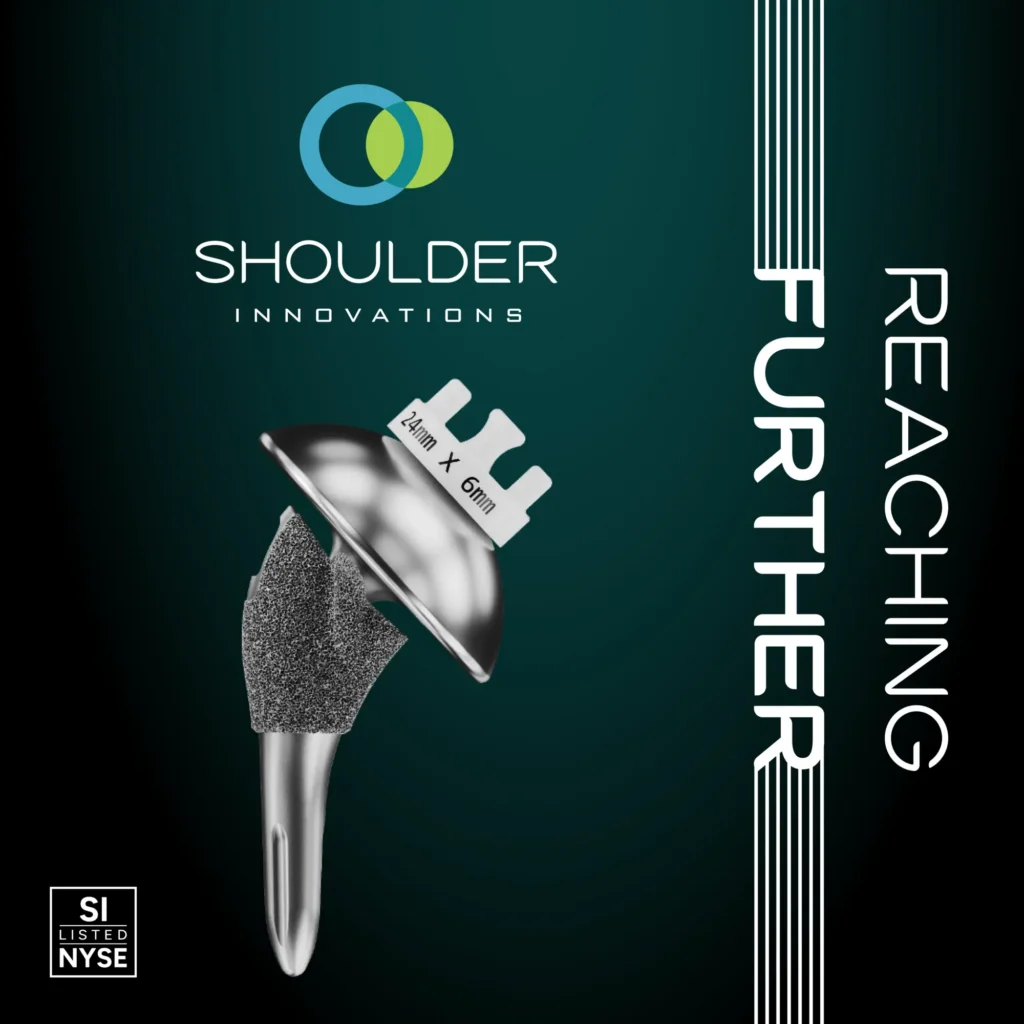
The procedure works best for patients with intact rotator cuff tendons and may be particularly effective for those with osteoarthritis. Advances in surgical technology continue to improve outcomes. For instance, some surgeons now use innovative approaches like the InSet® Shoulder System, which is designed to address glenoid bone loss and support secure implant placement based on a patient’s anatomy.
Reverse Shoulder Replacement
The reverse shoulder replacement procedure reverses the normal anatomy of your shoulder. The ball component is placed on the shoulder blade (scapula), while the socket component is attached to the upper arm bone (humerus).
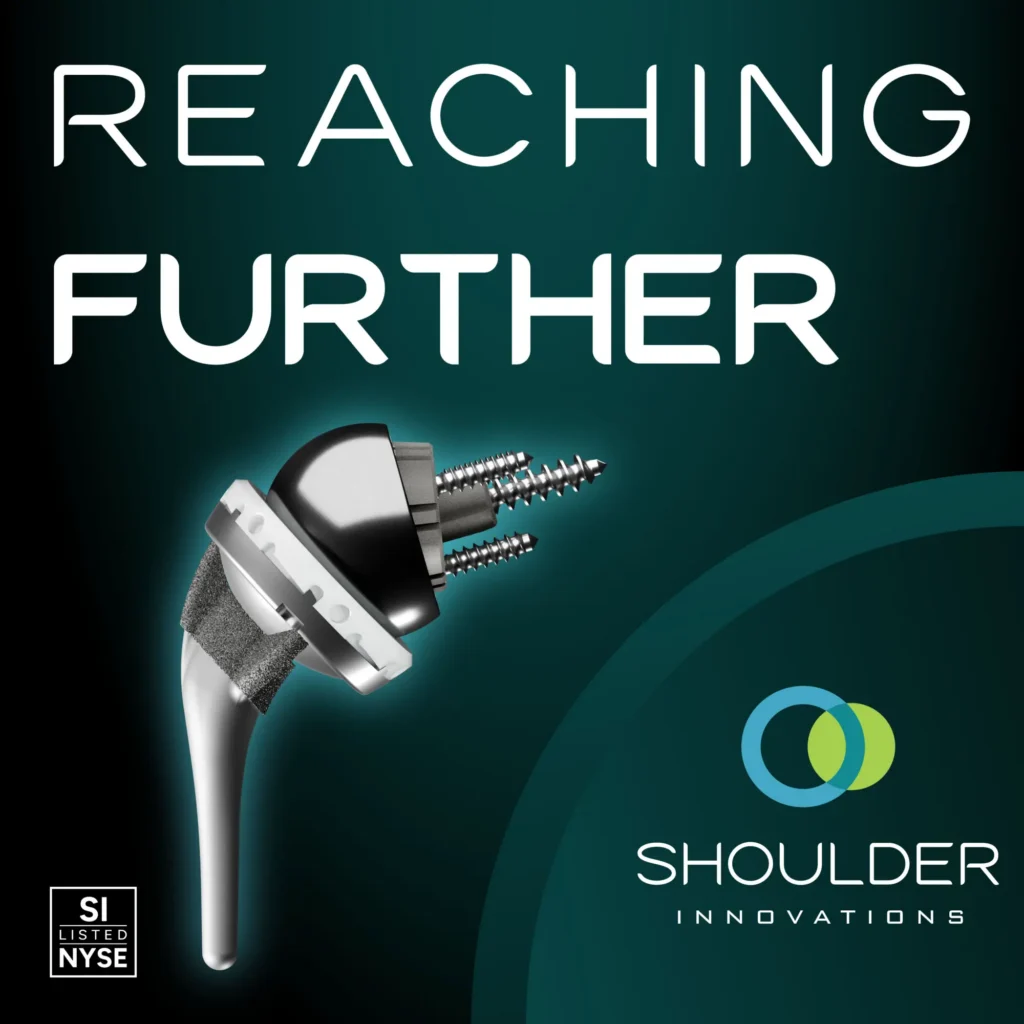
This reversed configuration may be particularly beneficial for patients who have arthritis combined with rotator cuff damage or dysfunction. By changing the mechanics of the shoulder, a reverse replacement allows the deltoid muscle to compensate for a damaged rotator cuff.
The decision between total shoulder replacement and reverse shoulder replacement depends on multiple factors, including the condition of your rotator cuff, your age, activity level, and the specific characteristics of your arthritis. Your surgeon can help determine which approach might be most appropriate for your situation.
Creating Your Treatment Plan
Successfully addressing arthritis pain in your shoulder requires a personalized approach. What works for one person might not be as effective for another. Several factors influence the most appropriate treatment strategy:
Severity of arthritis: Early-stage arthritis may respond well to conservative measures, while advanced arthritis might require more aggressive intervention.
Your age and activity level: Younger, more active patients might have different treatment priorities than older individuals with more sedentary lifestyles.
Overall health: Other medical conditions can influence which treatments are safest and most appropriate for you.
Your goals and expectations: Understanding what you hope to achieve helps guide treatment decisions.
Don’t hesitate to ask questions or express concerns to your doctor about recommended treatments.
Living With Shoulder Arthritis
In addition to medical treatment, simple lifestyle adjustments can help you manage shoulder arthritis and maintain your quality of life. Using assistive devices, such as reachers or long-handled tools, can help reduce strain during daily tasks, especially those involving lifting or reaching overhead. Keeping frequently used items within easy reach and choosing lightweight objects may also help minimize discomfort.
Good posture plays an important role in reducing joint stress. Being mindful of your posture while sitting, standing, or working can ease pressure on the shoulder over time. Planning your day to balance activity with rest periods can further help prevent flare-ups. Breaking tasks into smaller steps and allowing time for recovery may make symptoms more manageable.
These practical strategies, used alongside a personalized treatment plan, can support comfort and independence while living with shoulder arthritis.
Summary
From conservative approaches like physical therapy, medications, and lifestyle modifications to advanced surgical interventions including total shoulder replacement and reverse shoulder replacement, multiple options exist for addressing your symptoms. The key is finding the right combination of treatments for your situation. Many patients may achieve meaningful improvements in pain and function through appropriate treatment.
Frequently Asked Questions
How long does it take for conservative treatments to work for shoulder arthritis?
The timeline varies considerably depending on the specific treatment and individual factors. For example, some patients notice improvements from physical therapy within a few weeks, while others may need several months of consistent effort to experience significant benefits. Your shoulder specialist can give you a better sense of what to expect based on your specific treatment plan.
How do I know when it’s time to consider surgery?
Several factors suggest that surgical intervention might be appropriate. These include persistent pain that significantly impacts your quality of life despite conservative treatments, inability to perform daily activities you consider important, progressive loss of shoulder function, and nighttime pain that disrupts your sleep. However, the decision should be made collaboratively with your orthopedic surgeon, considering your overall health, goals, and expectations.
What’s the recovery like after shoulder replacement surgery?
Recovery from shoulder replacement surgery is a gradual process. Your arm will be supported in a sling initially, and you’ll begin gentle exercises relatively soon after surgery. Many patients experience meaningful pain relief within months, though full functional recovery often takes six months to a year or longer. Your surgeon and physical therapist will provide specific guidance based on your procedure and progress.
Will I be able to return to my normal activities after treatment?
The answer depends on your specific activities and the treatments you undergo. Many patients who receive successful treatment for shoulder arthritis can return to most daily activities, including many recreational pursuits. However, activities involving heavy overhead lifting or high-impact movements might remain inadvisable even after treatment. Discussing your specific goals and activities with your doctor helps set realistic expectations and guides treatment selection.