PRP, or platelet-rich plasma, is a treatment that uses concentrated platelets from a patient’s own blood to help stimulate the body’s natural healing processes. When injected into an injury, the platelets can release growth factors that may support tissue repair and regeneration. In this post, we’ll dive into the details of what PRP is, how it’s prepared, its mechanisms, and clinical applications.
Key Takeaways
- Platelet-rich plasma (PRP) therapy utilizes the body’s own growth factors to help enhance healing and tissue regeneration.
- The preparation of PRP involves drawing blood, concentrating the platelets through centrifugation, and injecting PRP into the injury site.
- PRP therapy may be used for various conditions with the goal of reducing pain, improving function, and accelerating healing processes.
What is Platelet-Rich Plasma (PRP)?
Platelet-rich plasma is part of regenerative medicine, which focuses on helping the body heal itself. PRP is composed of concentrated platelets derived from a patient’s own blood, suspended in plasma. These platelets are rich in proteins called growth factors, which play a key role in healing and tissue regeneration.
The concentration of platelets in PRP can be three to five times higher than what is normally found in blood. Since PRP is derived from a patient’s own blood, the risks of immune reaction or contamination are reduced. This approach not only optimizes for compatibility with the patient but also makes PRP therapy a valuable option for individuals seeking minimally invasive treatments.
How is PRP Prepared?
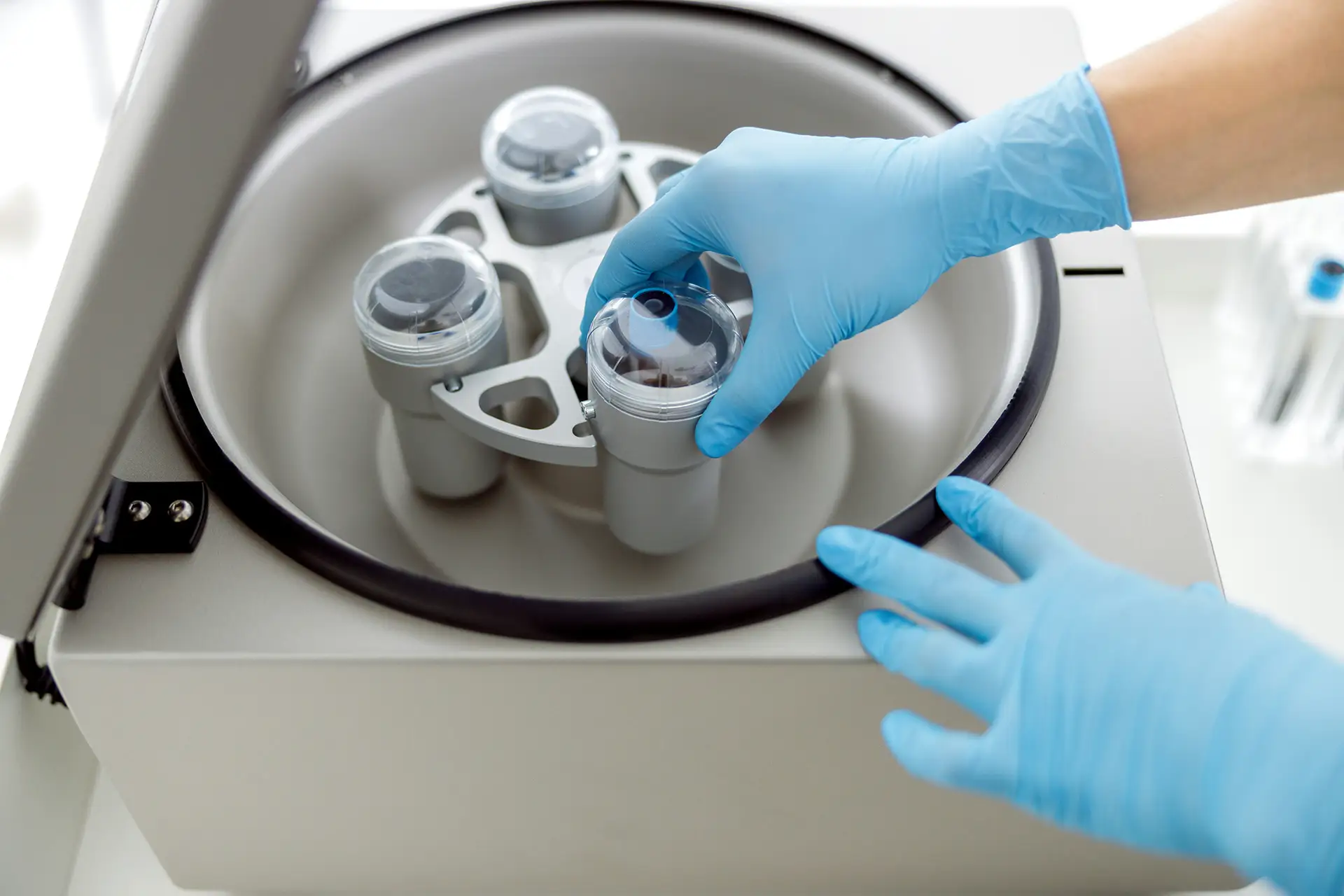
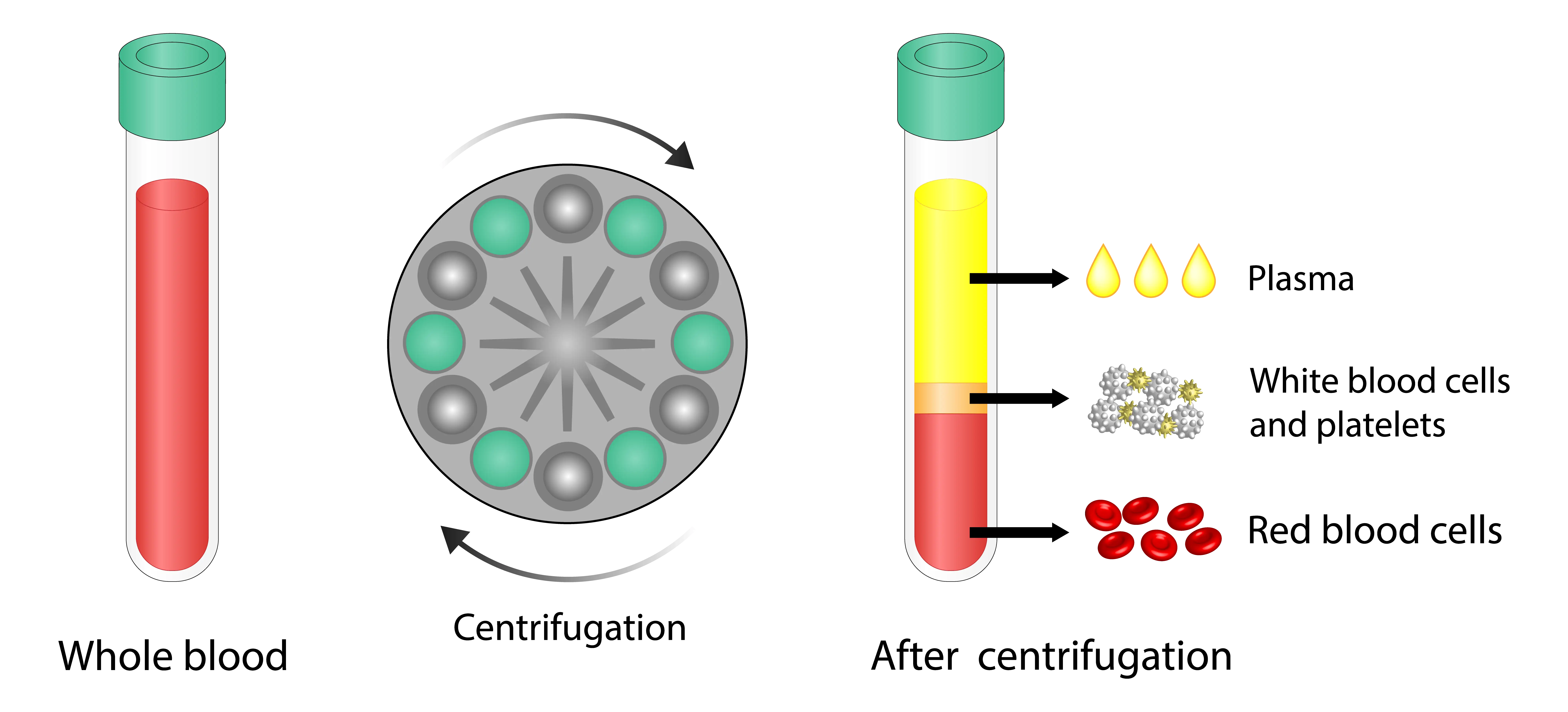
PRP preparation begins with drawing a small blood sample from the patient. The blood then undergoes centrifugation, a process that separates and concentrates the platelets based on their specific gravity. In the centrifuge, it separates into layers:
- Top layer: platelet-rich plasma
- Middle layer: the buffy coat, rich in white blood cells
- Bottom layer: red blood cells
The final result is a small amount of plasma containing these concentrated platelets, ready for injection.
Mechanism of Action: How PRP Works
PRP works by delivering a concentrated dose of growth factors directly to the area of injury. When the injected platelets in PRP are activated, they release growth factors. These growth factors may stimulate and increase the activity of reparative cells in the body. This may enhance healing by promoting cell growth and tissue regeneration.
Some studies suggest that PRP injections may accelerate healing and reduce recovery times. Delivering a concentrated dose of the body’s own healing agents to the affected area, PRP therapy aims to boost natural repair mechanisms, resulting in faster and more efficient recovery.
Clinical Applications of PRP Therapy
PRP therapy has been explored for a range of conditions, including tendon injuries, arthritis, subacromial bursitis, and ligament injuries.
Orthopedic surgeons and sports medicine specialists frequently use PRP to treat professional athletes and active individuals looking to recover from injuries quickly. PRP injections work by enhancing the body’s natural healing process, with the goal of allowing for faster recovery and return to activity. This makes it a popular choice among athletes.
An experienced orthopedic specialist can evaluate your condition and help guide whether PRP may be an appropriate treatment option for you.
Procedure: What to Expect During a PRP Injection
Before undergoing PRP treatment, patients are typically advised to avoid anti-inflammatory medications since these can interfere with the body’s initial healing response.
The procedure itself is straightforward and typically takes about an hour. It involves the following steps:
- Drawing a small sample of the patient’s blood.
- Processing the blood in a centrifuge to separate and concentrate the platelets.
- Carefully injecting the concentrated PRP directly into the injury site. In some cases, ultrasound guidance may be used.
Some patients experience mild discomfort or swelling at the injection site. For some conditions, multiple injections spaced apart are recommended. Following the injection, symptom improvement may be noticed within a few days to several weeks. Most individuals can return to daily activities shortly after the procedure.
Benefits of PRP Injections
One of the most significant potential benefits of PRP injections is their ability to reduce pain and improve function in patients with conditions like osteoarthritis. Enhancing the body’s natural repair processes, PRP therapy may promote faster healing and reduce overall recovery time.
As a minimally invasive approach and because the material comes from the patient’s own blood, PRP therapy is also generally associated with lower complication rates compared to surgical interventions. Combining PRP treatment with physical therapy may enhance the efficacy of the overall treatment plan, potentially leading to better outcomes.
Some patients report quicker recovery times with PRP therapy compared to traditional methods. This means they can return to their normal activities and routines much sooner, which is an advantage for those with busy lifestyles.
Overall, PRP therapy has shown promising results for treating various injuries and conditions. Its ability to leverage the body’s natural healing mechanisms makes it a promising treatment option in the field of regenerative medicine.
Summary
In summary, platelet-rich plasma (PRP) therapy represents a significant advancement in regenerative medicine. By using the body’s own growth factors to help speed up the healing process, PRP offers an alternative to traditional treatments and surgeries. The possible benefits of PRP therapy include pain reduction, faster recovery, and lower complication rates.
Frequently Asked Questions
What is the typical recovery time after PRP therapy?
Recovery is often quicker than surgery, with many patients resuming normal activities shortly after treatment. However, improvement timelines may vary by condition.
What long-term outcomes can patients expect from PRP therapy?
Some patients experience symptom relief lasting months to years, though results vary depending on condition and individual health factors.
How is PRP therapy administered?
PRP therapy is administered by drawing a small sample of the patient’s blood, processing it in a centrifuge to isolate the plasma and platelets, and then injecting the PRP directly into the injury site.
How many PRP treatments are usually needed?
The number of sessions varies depending on the condition. Some patients benefit from a single injection, while others may need a series spaced several weeks apart.