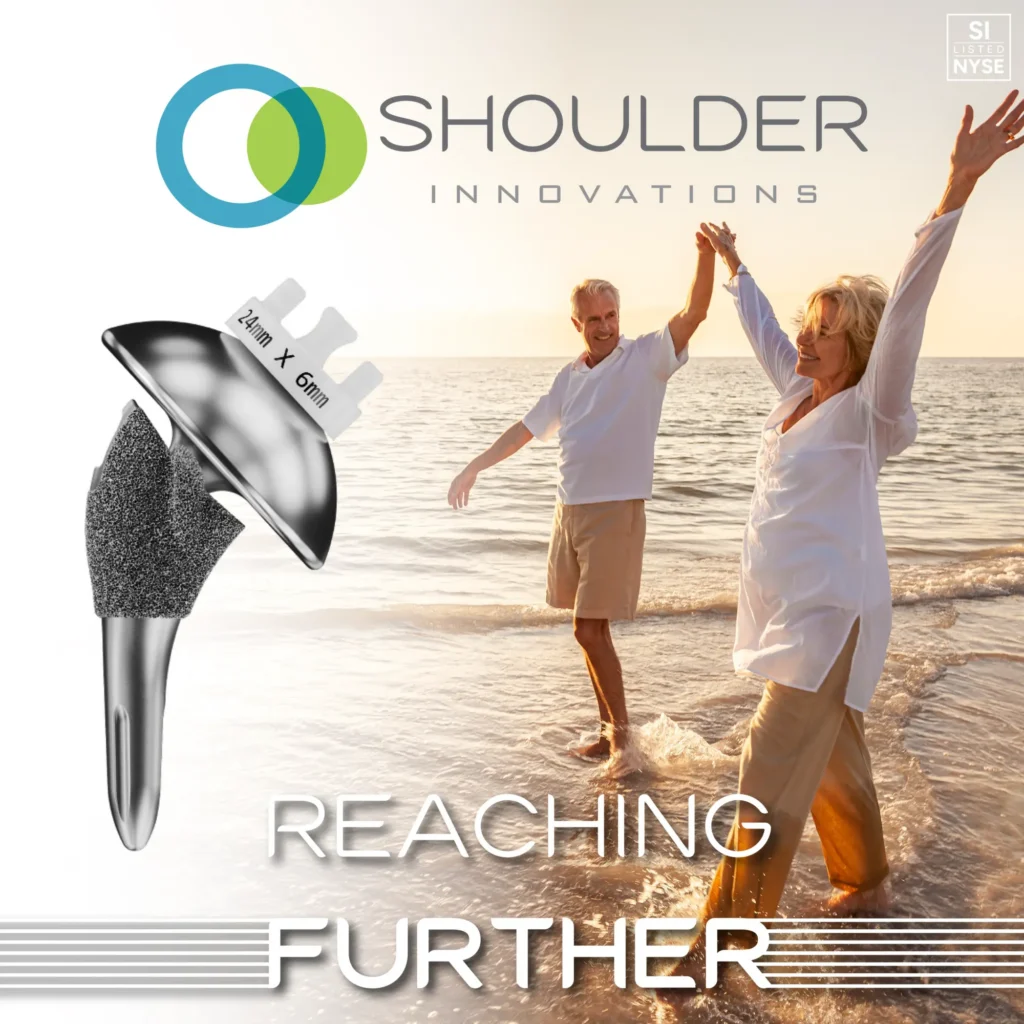

If you’re dealing with ongoing shoulder pain that interferes with your daily life, your doctor may have recommended reverse shoulder replacement as a possible solution. This specialized surgery has helped many people regain mobility and reduce pain. Knowing how the procedure works, who it’s best suited for, and what recovery looks like can empower you to make the right choice for your health.
Key Takeaways
- Unlike traditional shoulder replacement, the implant reverses the natural anatomy by placing the ball on your shoulder blade and the socket on your upper arm bone.
- This procedure is commonly used for patients with large rotator cuff tears, rotator cuff arthropathy, or complex shoulder fractures.
- Many patients may experience meaningful improvements in both pain relief and shoulder function within a few months, though full recovery can take up to a year or longer.
What Is Reverse Shoulder Replacement?
Your shoulder represents one of the most complex and mobile joints in your entire body. Three bones come together to form this structure: the humerus (upper arm bone), the scapula (shoulder blade), and the clavicle (collarbone). In a healthy shoulder, the rounded top of the humerus fits into a shallow socket on the scapula, creating a ball-and-socket joint that allows movement in virtually every direction.
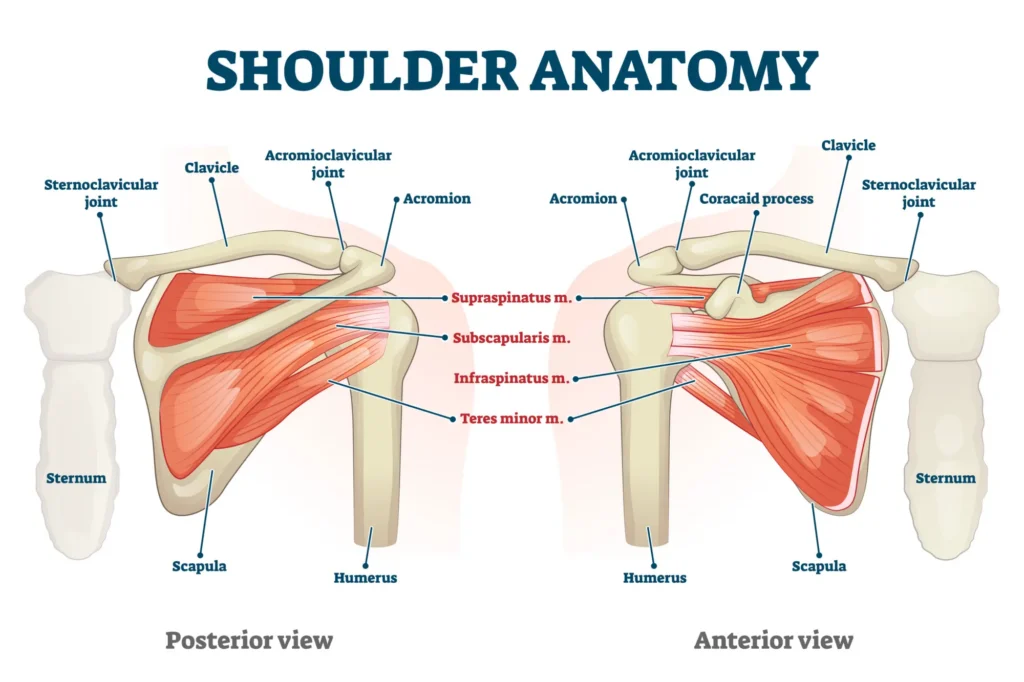
A group of tendons and muscles called the rotator cuff surrounds this joint. These tissues stabilize your shoulder while enabling you to lift, rotate, and move your arm through its full range of motion. Smooth cartilage covers both the ball and socket, allowing your shoulder to glide effortlessly without pain.
Reverse shoulder replacement fundamentally changes this natural configuration. The ball component is attached to your shoulder blade instead of the upper arm bone. The socket component goes on the upper arm bone rather than the shoulder blade. By flipping the normal anatomy, this innovative design allows your deltoid muscle, the large muscle that caps your shoulder, to compensate for damaged or missing rotator cuff function.
Who is This Procedure Recommended For?
Several shoulder conditions may lead your doctor to recommend reverse shoulder replacement rather than traditional shoulder surgery.
Large Rotator Cuff Tears
When you tear multiple tendons in your rotator cuff or sustain a massive tear that can’t be repaired, your shoulder may become unstable. The humeral head may migrate upward when the rotator cuff can no longer stabilize it, which can contribute to painful contact with surrounding structures and loss of function.
Severe Shoulder Arthritis
Over many years of use, the smooth cartilage covering your shoulder joint can gradually wear away, leading to arthritis. This condition often causes worsening pain, stiffness, and difficulty with everyday activities such as reaching overhead or getting dressed.
When arthritis occurs alongside significant rotator cuff damage or dysfunction, a traditional total shoulder replacement may not provide reliable pain relief or stability. In these situations, reverse shoulder replacement may be recommended because it does not rely on a functioning rotator cuff to move the arm.
Cuff Tear Arthropathy
This condition combines a large rotator cuff tear with advanced arthritis. Patients with cuff tear arthropathy often experience the worst of both worlds: severe pain and extremely limited motion. The shoulder becomes both unstable and arthritic, creating significant disability.
Complex Shoulder Fractures
Elderly patients who suffer severe fractures of the upper arm bone near the shoulder joint sometimes receive reverse shoulder replacement. These fractures may prove too complicated to repair with traditional methods, particularly when bone quality is poor due to osteoporosis.
Conservative Treatment Comes First
Most orthopedic surgeons approach shoulder problems conservatively before recommending surgery. Your doctor will likely suggest several non-surgical treatments initially.
Physical therapy often serves as the first component of treatment. A skilled therapist can teach you exercises that strengthen surrounding muscles, improve flexibility, and sometimes reduce pain. While physical therapy can’t repair a torn rotator cuff or restore worn cartilage, it may help you manage symptoms. Activity modification represents another key strategy. You may need to avoid certain movements or limit specific activities that aggravate your shoulder.
Your doctor might prescribe anti-inflammatory medications or recommend over-the-counter pain relievers. Corticosteroid injections directly into the shoulder joint can provide temporary relief for some patients. In selected cases, some clinicians may discuss regenerative treatments such as platelet-rich plasma injections.
When conservative treatments no longer provide adequate relief, surgery may be considered.
How the Surgery Works
During the procedure, your surgeon makes an incision using an approach chosen for your anatomy and surgical plan. The damaged portions of your shoulder bones are removed. Your surgeon then prepares the remaining bone surfaces to receive the implant components.
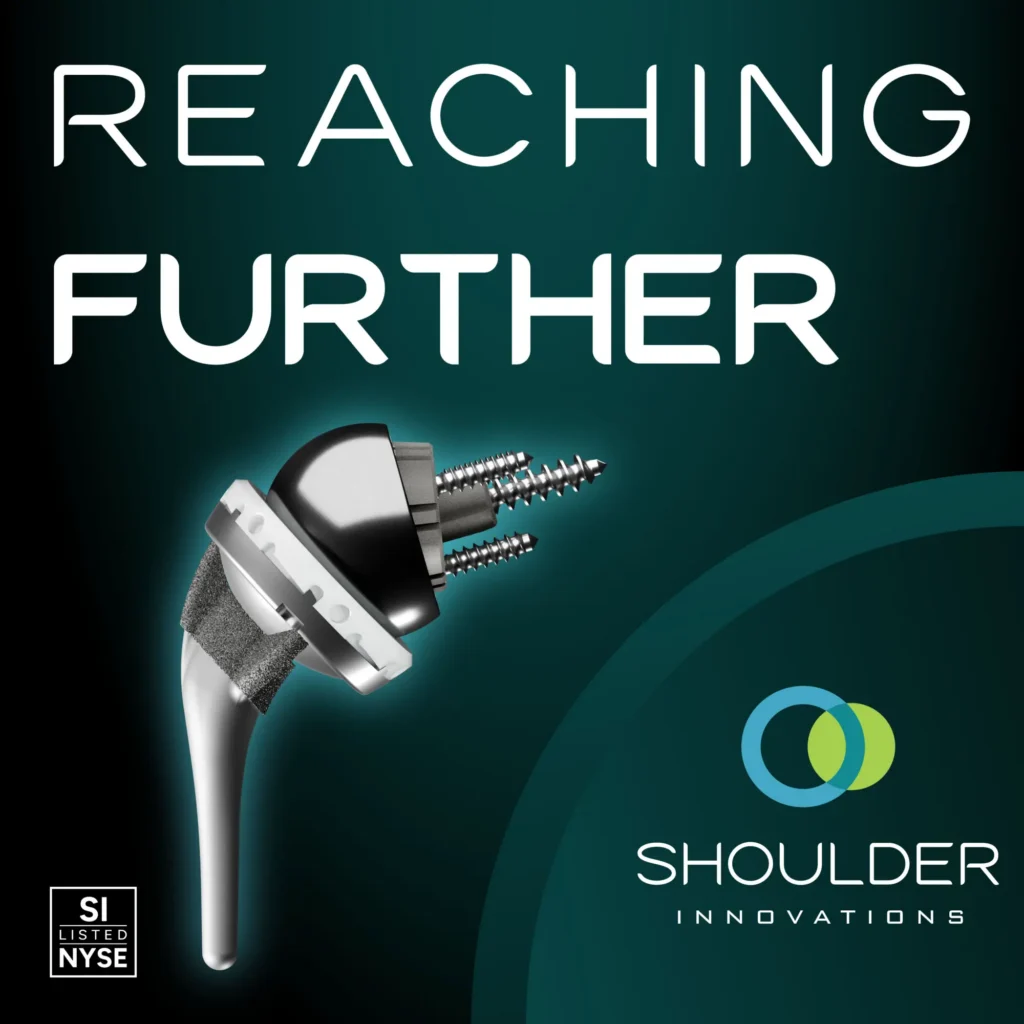
The ball component, called the glenosphere, attaches to your shoulder blade. The socket component is placed on the upper arm bone. Your surgeon carefully positions and aligns these components to optimize your shoulder function after recovery.
Modern implant systems offer numerous size and configuration options. Your surgeon selects components based on your unique anatomy, bone quality, and specific condition. Some advanced systems, such as the InSet® Shoulder System, were designed to emphasize bone preservation. Your surgeon may also use computer-assisted planning software to help prepare for your operation. These programs convert CT scans into three-dimensional models of your shoulder. Your surgeon can virtually perform the operation beforehand, determining optimal implant positioning.
The Recovery Journey
Recovery from reverse shoulder replacement requires patience and commitment. Some patients are able to return home the same day, while others stay in the hospital overnight. You’ll wear a sling for several weeks to protect your shoulder while early healing occurs. Your surgeon will prescribe pain medications and other pain management strategies.
Physical therapy usually begins soon after surgery, sometimes within days. Your therapist will guide you through a carefully structured rehabilitation program. Early exercises focus on gentle, passive motion to prevent stiffness. As healing progresses, you’ll gradually add active movements and strengthening exercises.
Choosing Your Surgeon
Selecting the right shoulder surgeon may impact your outcome. Look for an experienced shoulder surgeon who focuses specifically on shoulder surgery and regularly performs reverse shoulder replacements.
During your consultation, don’t hesitate to ask about your surgeon’s experience. Your surgeon should take time to explain the procedure, answer all your questions, and discuss realistic expectations. They should review your imaging studies with you and explain why they’re recommending this particular surgery over other options. Understanding both the potential benefits and limitations of surgery helps ensure you make the choice that’s right for you.
Summary
Reverse shoulder replacement is a procedure commonly recommended to patients with large rotator cuff tears, cuff tear arthropathy, or shoulder arthritis accompanied by significant rotator cuff dysfunction. By reversing the natural shoulder anatomy, this innovative procedure may reduce pain and restore function for many patients when other treatments have failed. Modern advances in implant design and surgical techniques continue to enhance outcomes, making this an increasingly successful option for appropriate candidates.
Frequently Asked Questions
Will I be able to return to sports or recreational activities?
Many surgeons recommend avoiding heavy, repetitive overhead lifting or high-impact sports after reverse shoulder replacement. However, many patients successfully return to golf, recreational swimming, cycling, and other lower-impact activities. Your surgeon can provide specific guidance based on your goals and individual circumstances.
What’s the difference between reverse and traditional shoulder replacement?
Traditional total shoulder replacement more closely mimics your natural anatomy, with the ball component attached to your upper arm bone and the socket on your shoulder blade. Reverse shoulder replacement flips this configuration, allowing your deltoid muscle to compensate for a damaged or missing rotator cuff. The choice between procedures depends on your specific condition.
How painful is the recovery?
Pain levels vary among patients, but most people experience moderate discomfort in the first few weeks after surgery. Your surgical team will recommend pain medication to keep you comfortable. Many patients find that pain decreases significantly within the first month.